 ADD TO CART
Barefoot shoes have moved from a niche to a regular request in our stores. People buy them for walking, gym training, travel and running. Some love them within days. Others find their calves and feet need weeks to adjust.
This guide gives a balanced view: what barefoot shoes are, what the research does and does not show, who should be careful, and a gradual way to start. It is general guidance, not medical advice.
What are barefoot shoes?
Barefoot shoes, also called minimalist shoes, share three features:
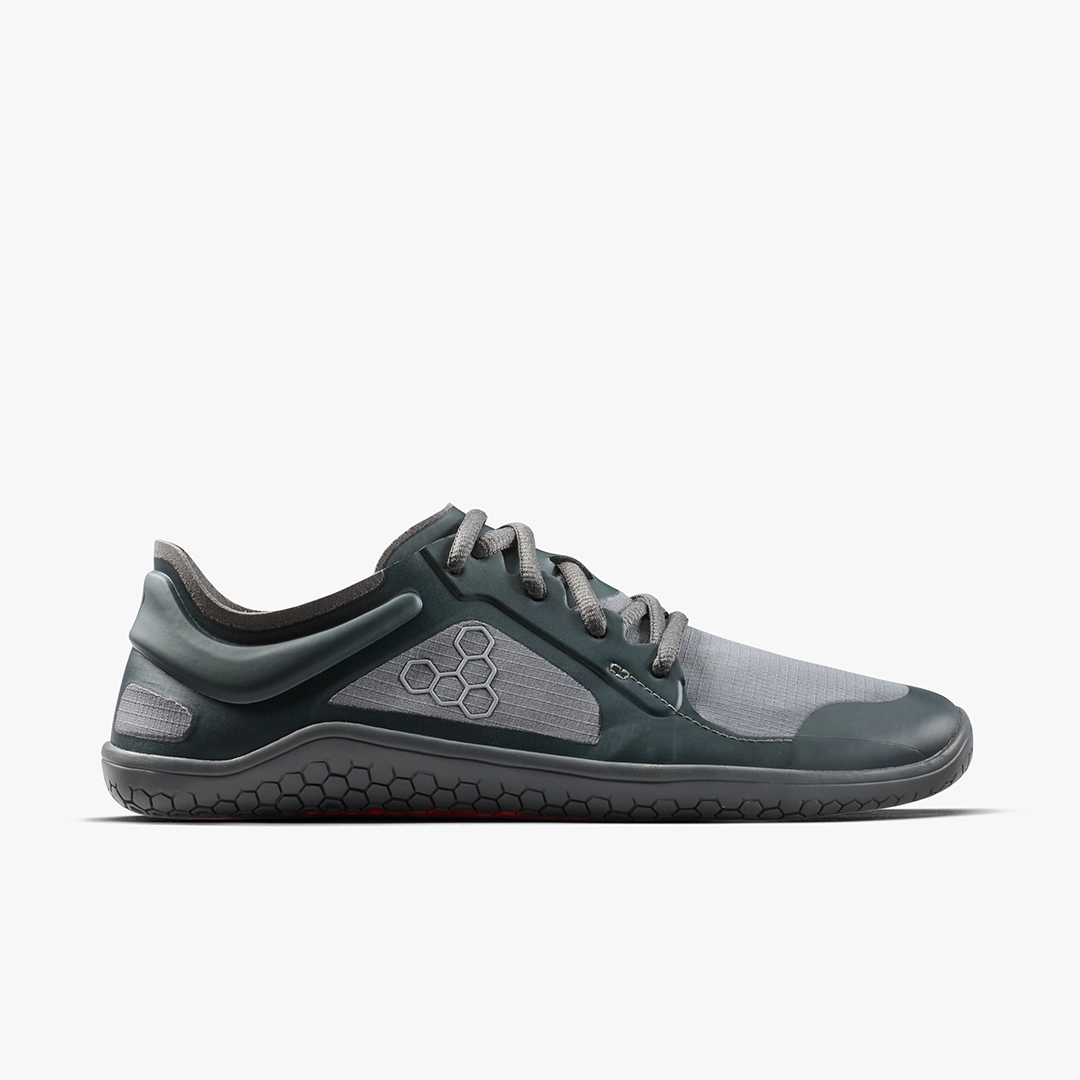
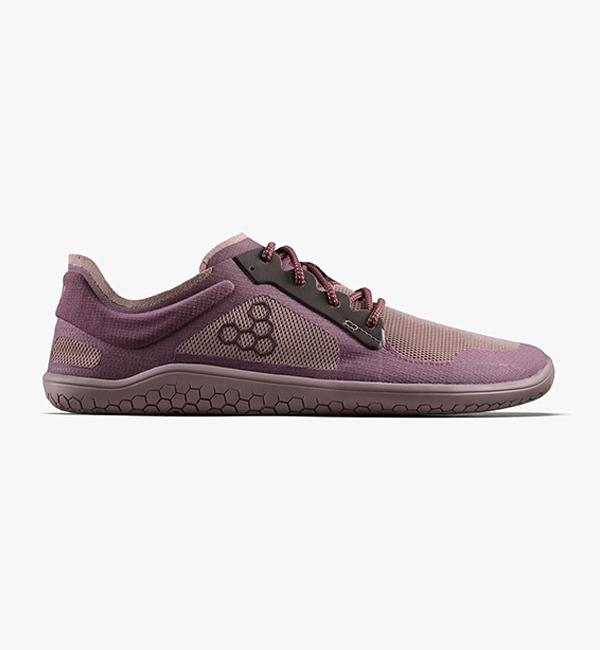
- A thin, flexible sole. Often only a few millimetres thick. Reviewers measured the Vivobarefoot Primus Lite IV sole at about 2 mm. You can feel the ground and the shoe bends and twists easily.
- A wide toe box. Shaped like a foot rather than tapering to a point, so toes can spread.
- Zero drop. The heel and forefoot sit at the same height.
They have little or no cushioning and no arch support. The idea is that the foot does the work that foam and structure do in a regular shoe.
What does zero drop mean?
Drop is the height difference between the heel and the forefoot. Most running shoes sit somewhere around 8 to 12 mm. Zero-drop shoes have no difference at all, so you stand as you would barefoot.
Moving from a high-drop shoe to zero drop shifts load onto the calves and Achilles tendon. That is the main reason a slow transition matters. Our guide on how to choose running shoes explains drop in more detail.
| Typical running shoe | Barefoot shoe | |
|---|---|---|
| Drop | About 8 to 12 mm | 0 mm |
| Cushioning | Moderate to high | Minimal |
| Toe box | Tapered or standard | Wide, foot-shaped |
| Flexibility | Moderate | Very flexible |
| Arch support | Often some | None |
Are barefoot shoes good for you?
They can be, for the right person and with a careful start. The research is promising in places but limited.
What the evidence suggests
- A randomised controlled trial published in 2016 found changes in the size of runners' intrinsic foot muscles after a transition to minimalist shoes, suggesting the feet do adapt.
- A 2017 systematic review of transition studies found injury results compared with control groups were mixed, and few studies included strength exercises or gait retraining.
What the evidence warns about
- A Brigham Young University study of experienced runners found more signs of bone stress (bone marrow oedema on MRI) in those who moved to minimalist shoes, even when they followed recommended ramp-up guidelines.
- Most studies are small and short. There is no strong evidence that barefoot shoes prevent injuries on their own.
A fair summary: foot strength gains are plausible, but the transition period is where most problems happen. Going slowly matters more than the shoe.
Who should be careful with barefoot shoes?
Speak to a doctor, podiatrist or physiotherapist before switching if you:
- have diabetes or reduced feeling in your feet,
- have a current foot, ankle, Achilles or calf injury,
- have had stress fractures before,
- have been prescribed orthotics or supportive shoes,
- have balance problems,
- run high weekly mileage and plan to switch all at once.
Barefoot shoes are also a poor match for very hot surfaces. In a Kuwait summer, a thin sole on sun-baked pavement or sand is uncomfortable. Use them indoors, in the gym, or outdoors early and late in the day.
How to transition to barefoot shoes: a 6 to 8 week plan
This is a general starting framework. Vivobarefoot itself suggests at least six weeks of walking and mobility work before moving to barefoot running, and says there is no universal timeline. Extend any stage if you feel soreness that lasts more than a day.
| Weeks | Walking and daily wear | Running |
|---|---|---|
| 1 to 2 | Wear them at home and for short walks, 30 to 60 minutes a day | None. Add calf raises and toe exercises |
| 3 to 4 | Longer walks and half-days of normal wear | Optional: 5 to 10 minutes on soft surfaces at the end of a normal run |
| 5 to 6 | Most daily wear | Short runs of 10 to 15 minutes, once or twice a week, on grass or a treadmill |
| 7 to 8 | Full daily wear if comfortable | Build run time slowly. Keep cushioned shoes for longer runs |
- Keep strides short and land softly under your body.
- Stop and rest if you feel sharp or bone-deep pain. Seek medical advice if it persists.
- Many runners keep a cushioned shoe for long runs indefinitely. That is fine.
Which Vivobarefoot shoe should I buy?
Shoebox New York stocks Vivobarefoot (shown on our site as "Vivo") for men and women.
| Model | Best for |
|---|---|
| Primus Lite III, 3.5, IV | Road running, walking, everyday wear |
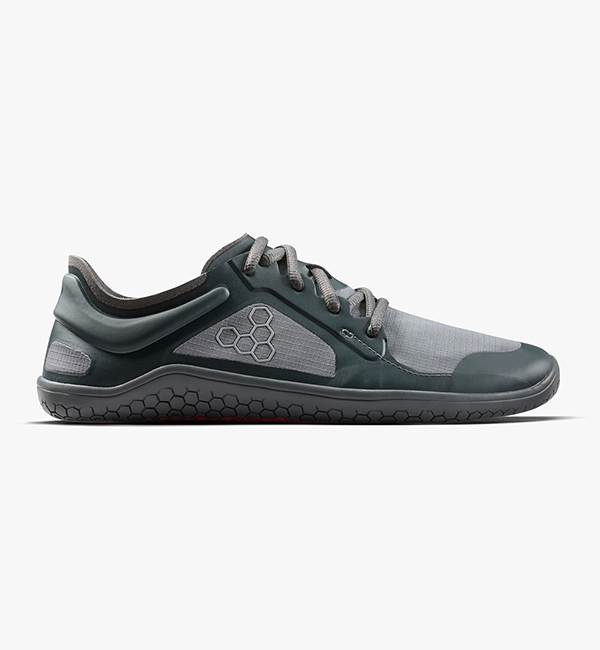
| Primus Lite IV All Weather | Everyday wear when you want more protection from the elements |
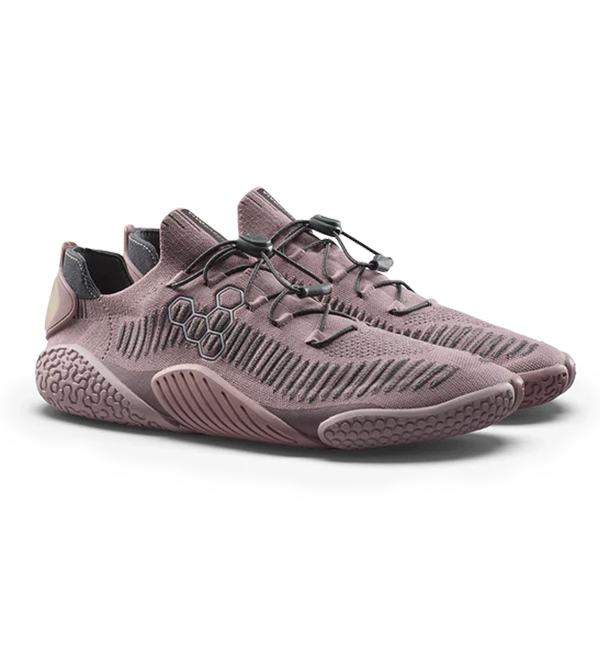
| Primus Lite Knit | A softer, sock-like knit upper for daily wear |
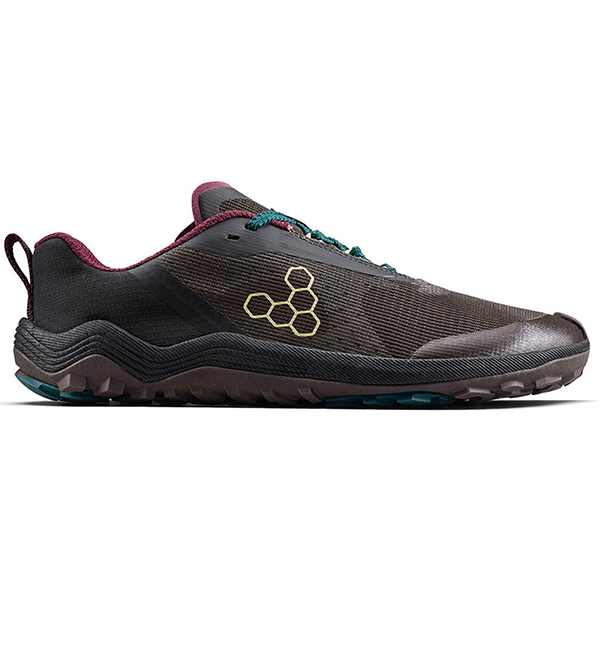
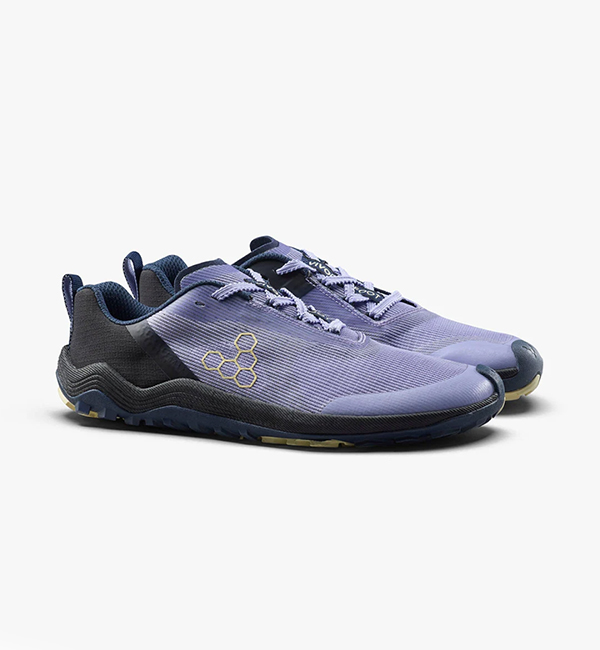
| Primus Trail FG / Flow | Trail and off-road routes |
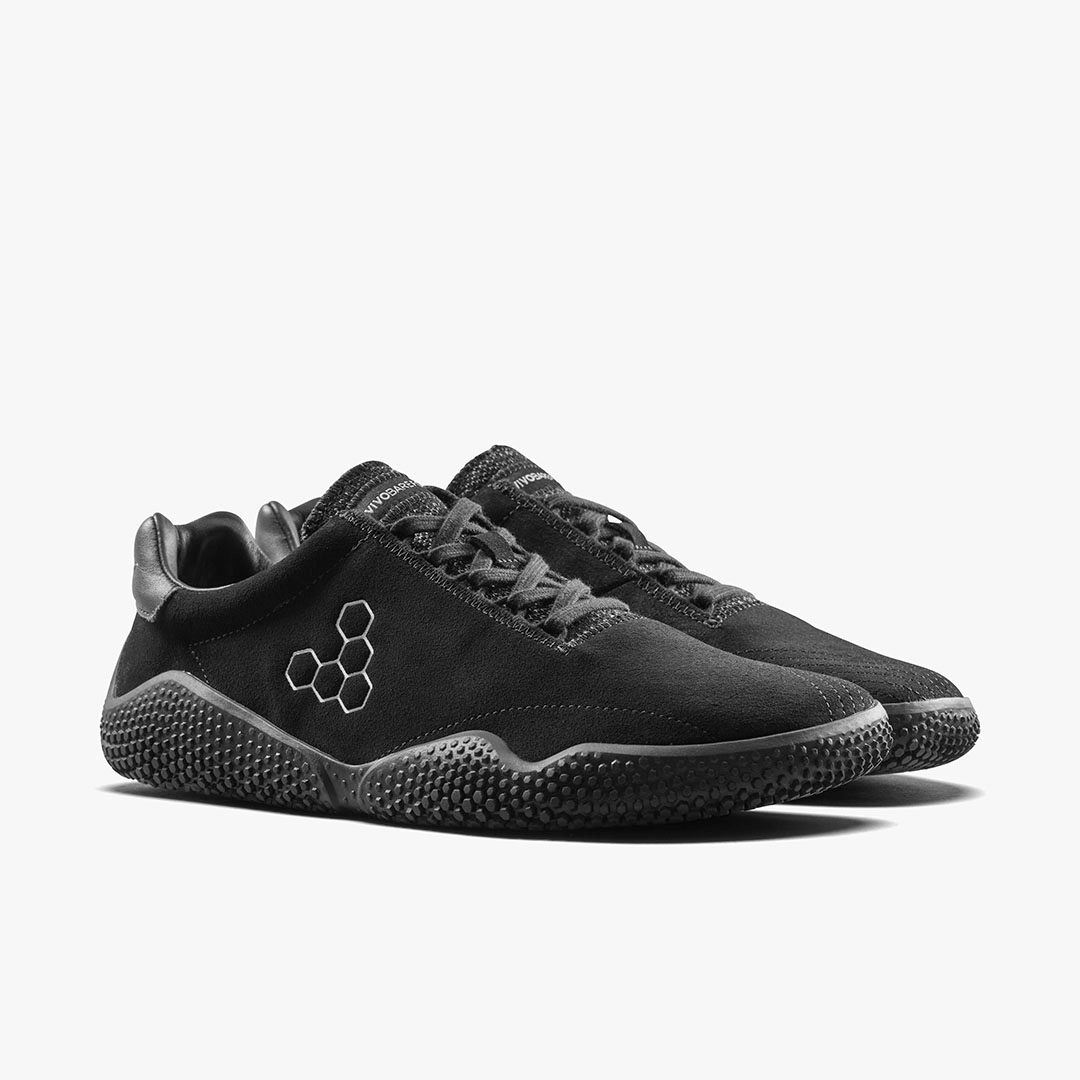
| Motus Strength, Motus Flex, Motus Studio | Gym, strength and studio training |
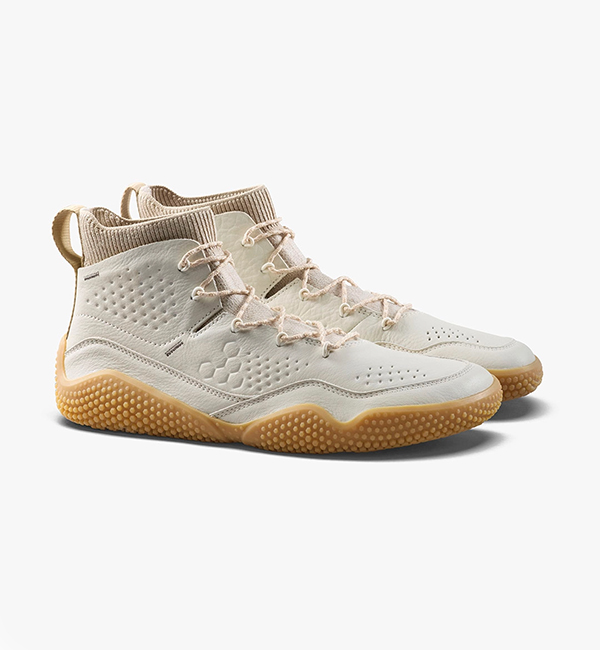
| Sensus, Gobi | Casual and everyday wear |
The Primus Lite is the usual first barefoot shoe for runners and walkers. If you train in the gym, the Motus Strength gives a flat, stable base for lifting. See every model on our Vivobarefoot Kuwait page.
How should barefoot shoes fit?
Your toes should be able to spread fully without touching the sides. Leave a little space in front of the longest toe. Some reviewers find certain Primus Lite versions roomy and size down, so try them on if you can. Our stores in The Avenues, Marina Mall and Salhia Complex let you compare sizes, and online orders can be exchanged within 14 days at any Shoebox outlet in Kuwait.
Not ready for zero drop? Our best running shoes in Kuwait list covers cushioned options.
Frequently asked questions
Are barefoot shoes good for you?
They can be for many people, especially with a slow transition. Small studies link minimalist shoes to stronger foot muscles. However, switching too quickly is linked to bone stress and calf or Achilles problems, and there is no strong evidence that they prevent injuries on their own. People with medical conditions should ask a doctor first.
What is a zero drop shoe?
A zero-drop shoe has its heel and forefoot at the same height, so there is no slope from back to front. Most running shoes have a drop of around 8 to 12 mm. Vivobarefoot shoes are zero drop, which puts more work on the calves and Achilles until they adapt.
How long does it take to get used to barefoot shoes?
It varies by person. Many people need six to eight weeks or more before running in them comfortably, and Vivobarefoot suggests at least six weeks of walking before barefoot running. Start with short periods of daily wear and build gradually. Extend the timeline if soreness lasts more than a day.
Can I run in Vivobarefoot shoes?
Yes. The Primus Lite range is built for road running and the Primus Trail for off-road routes. Build up slowly, starting with walking and short runs on soft surfaces. Many runners keep a cushioned shoe for long runs while their feet adapt to barefoot running.
Are barefoot shoes good for flat feet?
Some people with flat feet find barefoot shoes comfortable and like the foot-strengthening focus, but they offer no arch support. If you have painful flat feet, wear orthotics or have been advised to use supportive shoes, speak to a podiatrist before switching, and transition especially gradually.